
7 Mistakes You're Making with Company Blazers (And How Gender-Neutral Designs Fix Them)
Your company blazer program isn't working as well as it should. Despite investing in professional blazer uniforms for your team, you're still seeing inconsistent appearances, employee complaints about comfort, and a look that doesn't quite nail the professional image you're aiming for.
The problem isn't your team: it's likely one of seven common mistakes that plague traditional company blazers. The good news? Modern gender-neutral blazer designs solve every single one of these issues while creating a more inclusive, cost-effective, and professional uniform program.
Mistake #1: Forcing Binary Sizing That Doesn't Fit Real Bodies
Traditional blazers for men and women follow outdated sizing charts that assume all women want ultra-fitted silhouettes and all men prefer boxy cuts. This approach fails spectacularly in real workplaces where body types vary significantly within each gender.
Your female employees might feel restricted in blazers designed with extreme waist suppression, while your male staff could look unprofessional in oversized, shapeless cuts. Meanwhile, non-binary employees are left choosing between two inadequate options.
Gender-neutral blazer designs solve this by focusing on universal fit principles. These blazers use strategic tailoring that flatters multiple body types without assuming gender-specific preferences. The result? Every team member gets a blazer that looks tailored to their body, moves comfortably throughout the workday, and maintains a consistent professional appearance across your entire staff.

Mistake #2: Creating Inventory Nightmares with Multiple Style Lines
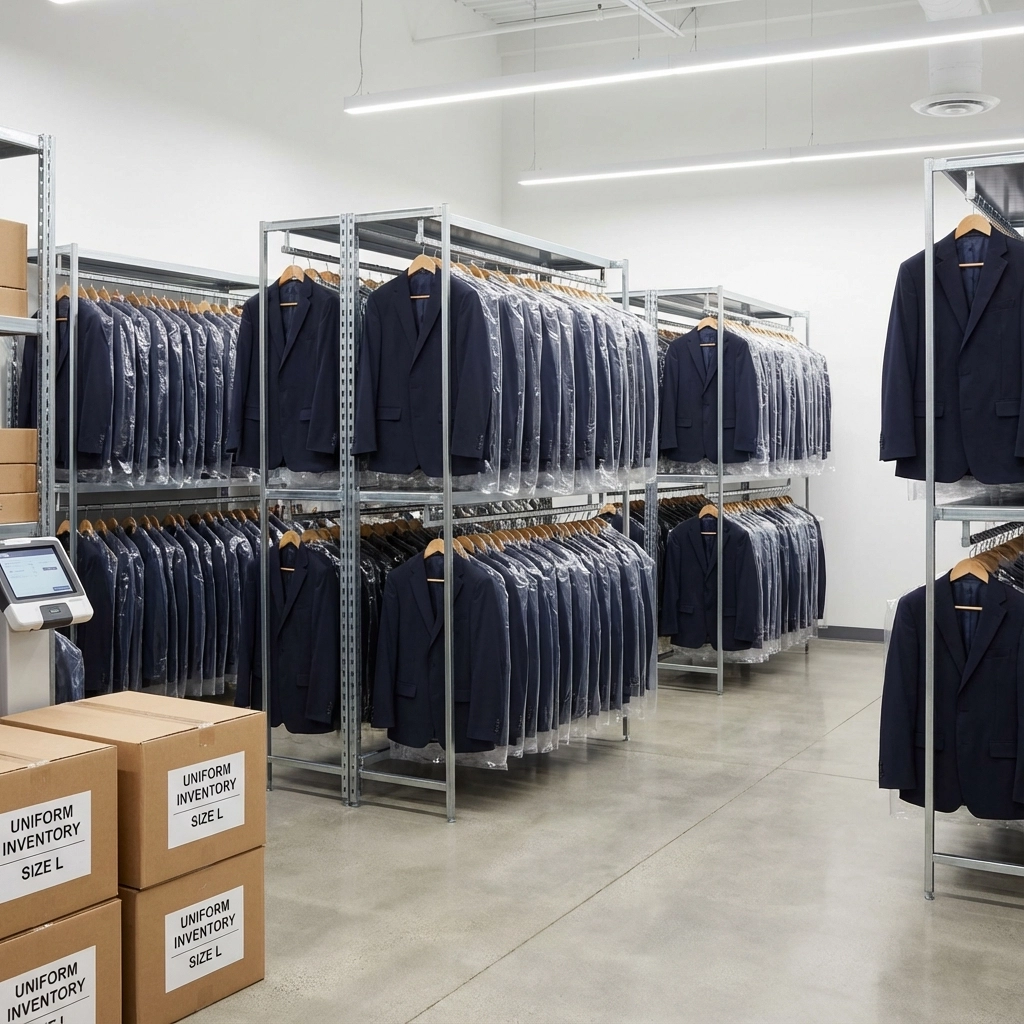
Managing separate blazer uniform styles for men and women creates operational headaches you don't need. You're tracking double the SKUs, dealing with uneven size distribution issues, and constantly running out of specific combinations.
When your restaurant needs to quickly onboard new servers or your hotel faces seasonal staffing changes, having separate blazer lines for different genders slows down the uniform ordering process. You might have plenty of women's size 10 blazers but run out of men's medium, leaving new employees waiting for proper uniforms.
Gender-neutral company blazers eliminate this complexity entirely. You maintain one blazer style across all sizes, reducing inventory by up to 50% while ensuring consistent availability. Your uniform program becomes more efficient, cost-effective, and responsive to staffing needs.
Mistake #3: Ignoring Modern Professional Expectations
Today's workforce expects inclusivity in every aspect of their work environment, including uniforms. Sticking with traditional gender-binary blazer designs sends the message that your company hasn't caught up with modern workplace values.
Progressive businesses in hospitality, healthcare, and corporate settings are already moving toward inclusive uniform programs. When you maintain separate blazer for men and women policies, you risk appearing behind the times to both employees and customers who value forward-thinking organizations.
Gender-neutral blazers demonstrate your company's commitment to inclusion without compromising professionalism. These designs appeal to a broader range of employees while positioning your brand as modern and thoughtful: qualities that resonate with today's consumers and top talent.
Mistake #4: Overlooking Comfort and Functionality
Traditional gendered blazers often prioritize appearance over practicality. Women's blazers frequently feature restrictive cuts that limit arm movement, while men's versions might lack functional details like proper pocket placement for daily work tasks.
In demanding work environments: whether you're managing a busy restaurant, overseeing hotel operations, or working in corporate settings: your team needs blazers that perform as well as they look. Uncomfortable employees are less productive and more likely to avoid wearing their uniforms properly.
Modern gender-neutral blazer uniforms prioritize both form and function. These designs incorporate features like stretch panels for mobility, strategically placed pockets for work essentials, and breathable fabrics that maintain their shape throughout long shifts. Your team gets professional appearance without sacrificing comfort or functionality.
Mistake #5: Missing the Mark on Color and Style Cohesion
When you offer different blazer styles for different genders, achieving true visual consistency becomes nearly impossible. Men's blazers might have notched lapels while women's feature peak lapels. Color matching becomes challenging when fabric dyeing varies between gendered styles.
This inconsistency weakens your brand image and makes your team look less coordinated than competitors using unified uniform approaches. In customer-facing roles, visual inconsistency can subtly undermine perceptions of your organization's attention to detail and professionalism.
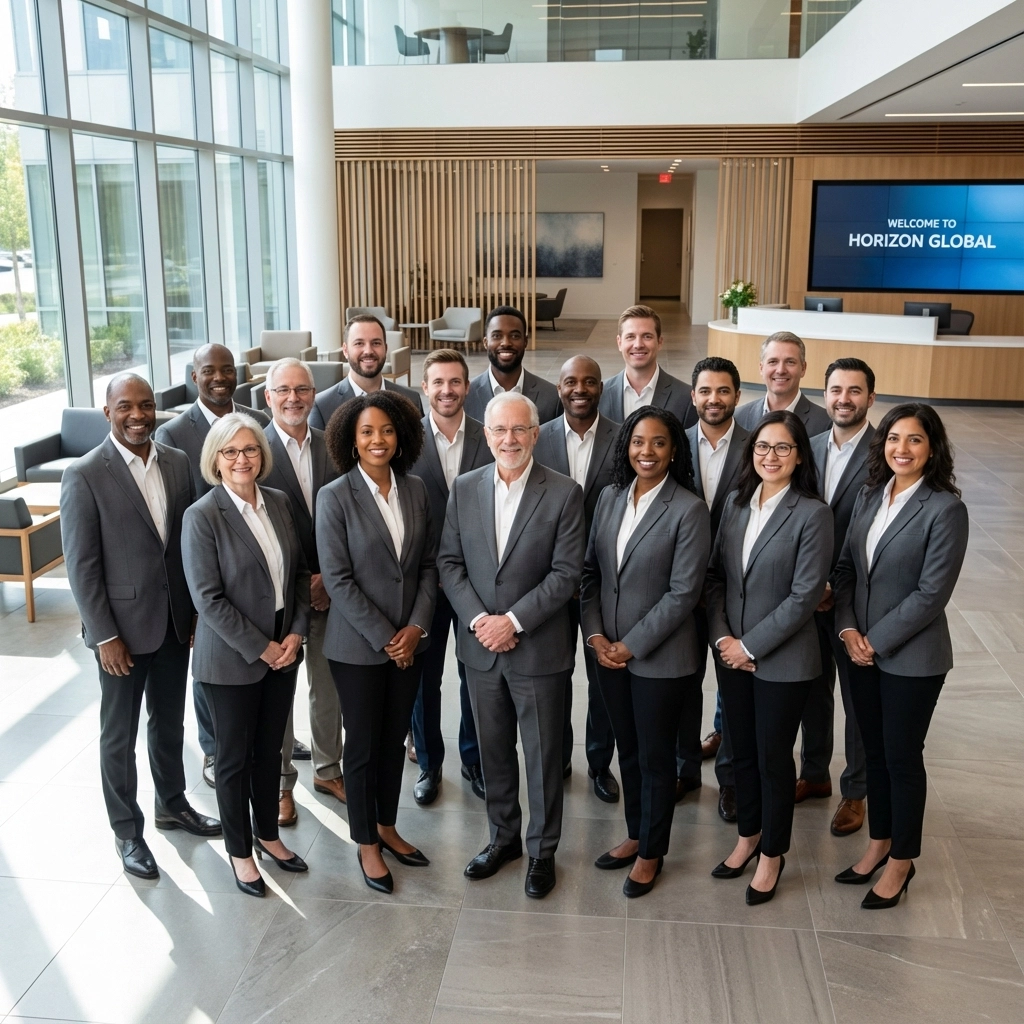
Gender-neutral designs ensure perfect visual cohesion across your entire team. Every employee wears the identical style in matching colors and finishes (for example, a unified shade such as ladies royal blue blazers), creating the polished, coordinated appearance that reinforces your brand's professionalism and quality standards.
Mistake #6: Complicating Your Uniform Policy Documentation
Managing separate uniform policies for different genders creates unnecessary complexity in your employee handbook. You need different dress code sections, separate ordering procedures, and more detailed guidelines about appropriate styling and fit.
This complexity increases the likelihood of misunderstandings, policy violations, and HR headaches. New employees face longer orientation processes, and managers spend more time explaining uniform requirements instead of focusing on business operations.
Switching to gender-neutral company blazers dramatically simplifies your uniform policy. One blazer style means one set of guidelines, streamlined ordering procedures, and clearer expectations for everyone. Your HR team spends less time on uniform-related issues, and employees get straightforward, easy-to-follow guidelines.
Mistake #7: Failing to Future-Proof Your Uniform Program
The workplace is evolving rapidly, and uniform programs that don't adapt get left behind. Traditional gendered blazer approaches lock you into increasingly outdated systems that become harder and more expensive to maintain over time.
As more businesses adopt inclusive practices, suppliers are shifting focus toward gender-neutral options. Continuing with old-fashioned approaches might eventually limit your sourcing options and increase costs as traditional gendered blazers become specialty items rather than standard offerings.
Gender-neutral blazer designs position your uniform program for long-term success. These modern approaches align with workplace trends, offer better supplier support, and provide flexibility for future adjustments without requiring complete program overhauls.
Making the Switch: What This Means for Your Business
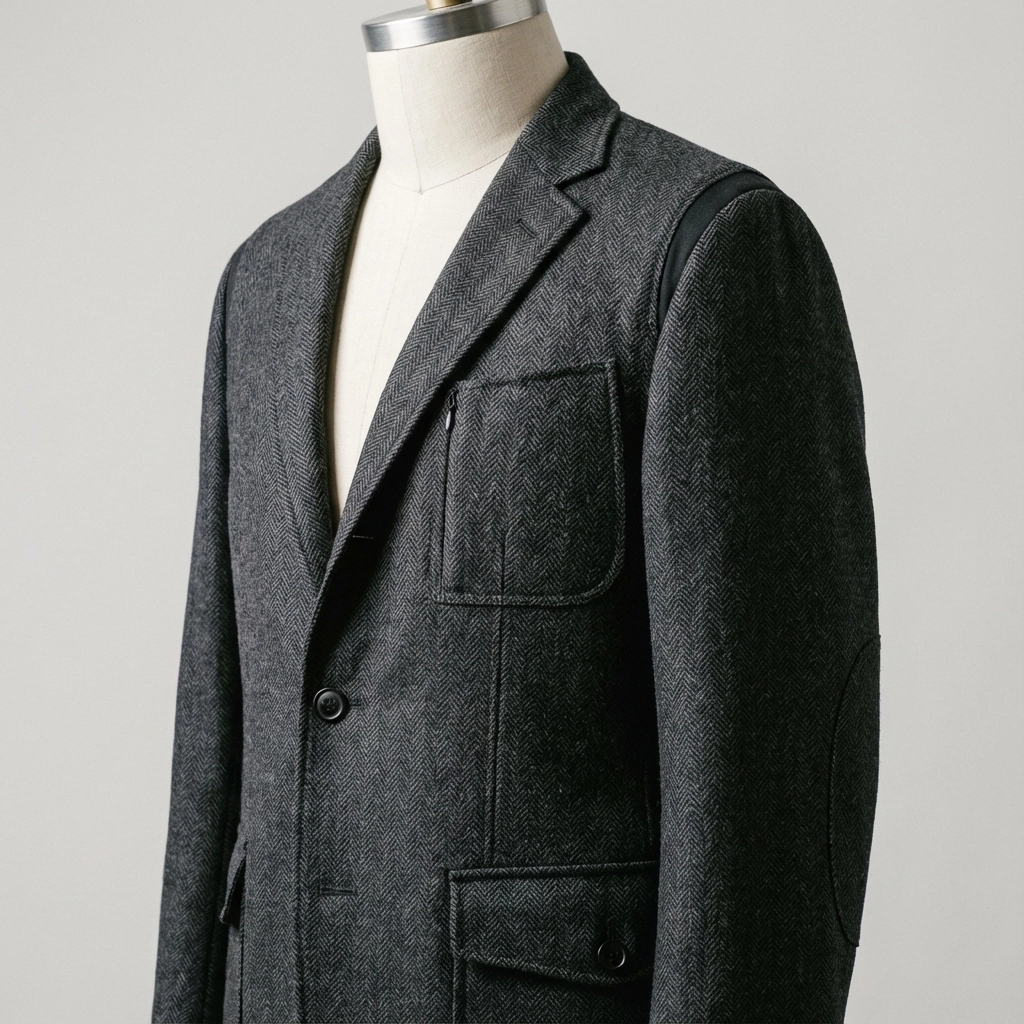
Transitioning to gender-neutral blazer uniforms doesn't mean compromising on style or professionalism. Modern designs offer sophisticated cuts that look equally sharp on all body types while providing the comfort and functionality your team needs to perform their best work.
Consider your specific industry needs when selecting designs. Restaurant and hospitality blazers should prioritize easy movement and stain resistance (and coordinate with casino pants). Corporate environments might emphasize classic cuts and premium fabrics. Healthcare settings need designs that work well with other uniform components and meet safety requirements.
The best gender-neutral blazers incorporate feedback from diverse wearers to create truly universal designs. Look for features like adjustable elements, strategic stretch placement, and versatile styling that works across different body types and personal preferences.
When you're ready to upgrade your uniform program, consider exploring comprehensive uniform solutions that understand modern workplace needs. Whether you need blazers that coordinate with existing uniform pieces or want to overhaul your entire professional appearance program, the right partner can help you create a cohesive, inclusive, and effective uniform system.
Your team deserves uniforms that make them look professional, feel comfortable, and reflect your company's modern values. Gender-neutral blazer designs deliver all three while simplifying your uniform management and reducing long-term costs.
The question isn't whether gender-neutral blazers work better than traditional approaches: it's whether you're ready to give your team and your business the advantages they provide.